How to Find the Right Pet Influencers For Your Brand(And Why Most Get It Wrong)
I've sat across from dozens of pet brand founders who tell me the same thing: "We tried pet influencer marketing. It didn't work."
And almost every time, the problem wasn't influencer marketing. It was picking the wrong influencers.
After running campaigns for brands like Zesty Paws, Nestle Purina, Hill's Science Diet, and TropiClean — and managing a network of over 30,000 pet creators through our platform Pawjourr — I've seen exactly where brands go wrong. Here's what I wish every pet brand founder knew before they spent a single dollar on pet influencer marketing.
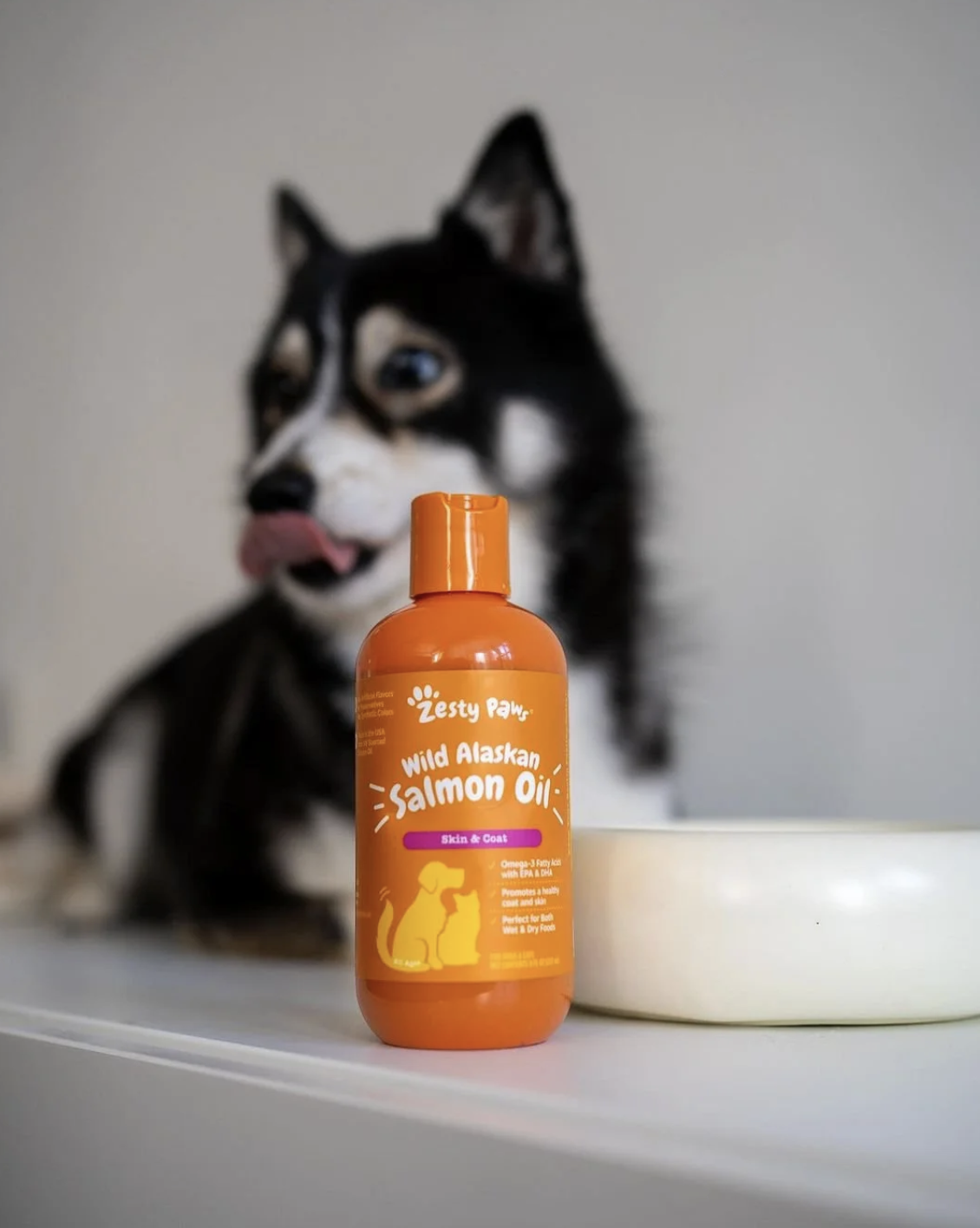
Our Zesty Paws influencer campaign is a great example of matching the right creator to the right product.
Follower Count Is the Worst Way to Choose a Pet Influencer
This is the biggest pet influencer marketing mistake I see. A brand scrolls Instagram, finds an account with 200K followers and a cute golden retriever, and thinks: big audience, big results.
Not how it works.
In the pet space specifically, micro-influencers (5,000 to 25,000 followers) consistently outperform larger accounts. We typically see engagement rates of 4–7% from micro pet creators, compared to 1–3% from accounts above 100K. That gap matters enormously when you're a pet brand with a limited budget trying to drive actual purchases, not just impressions.
The reason is simple: pet micro-influencers have real communities. Their followers actually care about their dog's food, their cat's health routine, and their hamster's habitat setup. These audiences trust the creator's recommendations because the relationship feels personal. A mega-influencer's audience might double-tap and scroll. A micro-influencer's audience clicks the link and buys.
Match the Creator to the Problem, Not the Aesthetic
Here's another trap when choosing pet influencers. Brands pick creators for their beautiful photography or a specific visual vibe. And look, aesthetics matter — but they're not the whole picture.
What actually drives conversion is whether the creator's audience has the problem your product solves.
Selling a flea and tick treatment? You want creators whose followers are actively dealing with that issue — pet parents who live in warm climates, who take their dogs on hikes, who've talked openly about pest prevention. You don't necessarily want the most polished pet photography account. You want the one whose audience trusts them for practical advice.
When we run pet influencer campaigns at The Woof Agency, we always start with the audience, not the creator. Who are the people we need to reach? What are they worried about? Then we work backwards to find creators who already have those people's attention and trust.
KOL vs. KOC Pet Marketing: Know Which Game You're Playing
In the pet creator world, we distinguish between KOLs (Key Opinion Leaders) and KOCs (Key Opinion Consumers). The difference matters more than most brands realize.
KOLs are your established pet influencers with larger followings and polished content. They're great for brand awareness and positioning. When you want people to know your brand exists and associate it with quality, KOLs do the heavy lifting.
KOCs are everyday pet owners who create authentic, relatable content. They might have 1,000 to 5,000 followers. Their content looks like a real person filming their actual life with their pet. And for conversion — getting people to actually buy your product — KOCs often outperform KOLs dramatically.
The best pet influencer marketing campaigns use both. KOLs set the perception. KOCs drive the purchase. But if your budget only stretches one way and you need sales now, lean into KOCs. Every time.
Red Flags When Vetting Pet Influencers
After vetting thousands of pet creators through Pawjourr, here are the warning signs that a pet influencer isn't worth your money:
Engagement that doesn't match the follower count. If someone has 50K followers but gets 30 likes per post, something's off. Either they bought followers or their content isn't connecting anymore.
No genuine pet content in their personal feed. If every post is a paid partnership and there's nothing organic about their pet, their audience knows. And they've tuned out.
They can't describe their audience. Ask a creator: who follows you? If they can't answer beyond "pet lovers," that's a problem. Good pet creators know their people — their demographics, interests, and pain points.
They refuse to incorporate your messaging. Collaboration is great. But if an influencer dismisses your product's actual benefits, you're paying for their content, not your marketing.
What Actually Works in Pet Influencer Marketing in 2026
The pet influencer marketing space is maturing fast. Two years ago, you could throw products at random creators and see results just because the channel was underutilized. That's not the case anymore.
What works now is being strategic: matching the right creator to the right audience for the right product, with clear messaging and realistic expectations. It's not glamorous. But it's what separates brands that get a 5x return on influencer spend from brands that get nothing.
Even non-pet brands like Eufy (by Anker) tap into pet influencers — because pet parents are among the most engaged online audiences.
And if you're a pet brand founder reading this, thinking "I don't have time to vet hundreds of creators" — that's exactly why pet influencer agencies like ours exist. We built Pawjourr specifically to solve this problem at scale. We've already vetted 30,000+ pet creators across Southeast Asia and the US so you don't have to start from scratch.
Need help finding the right pet influencers for your brand? The Woof Agency is the only pet-exclusive growth agency with a 30,000+ creator network and full-funnel performance marketing. Get in touch for a free consultation.